Patient guide
Bleeding gums: what they are warning you about
A healthy gum does not bleed when brushed. If it does so persistently, it is almost always the first warning of inflammation (gingivitis) which, if it becomes chronic, can go on to affect the bone holding the tooth (periodontitis).
The other signs that most often bring people in are persistent bad breath, teeth that look 'longer' because the gum has receded, and noticing slight movement in a tooth. None of them improves on its own with time.
Periodontal probing: the diagnosis that decides the treatment
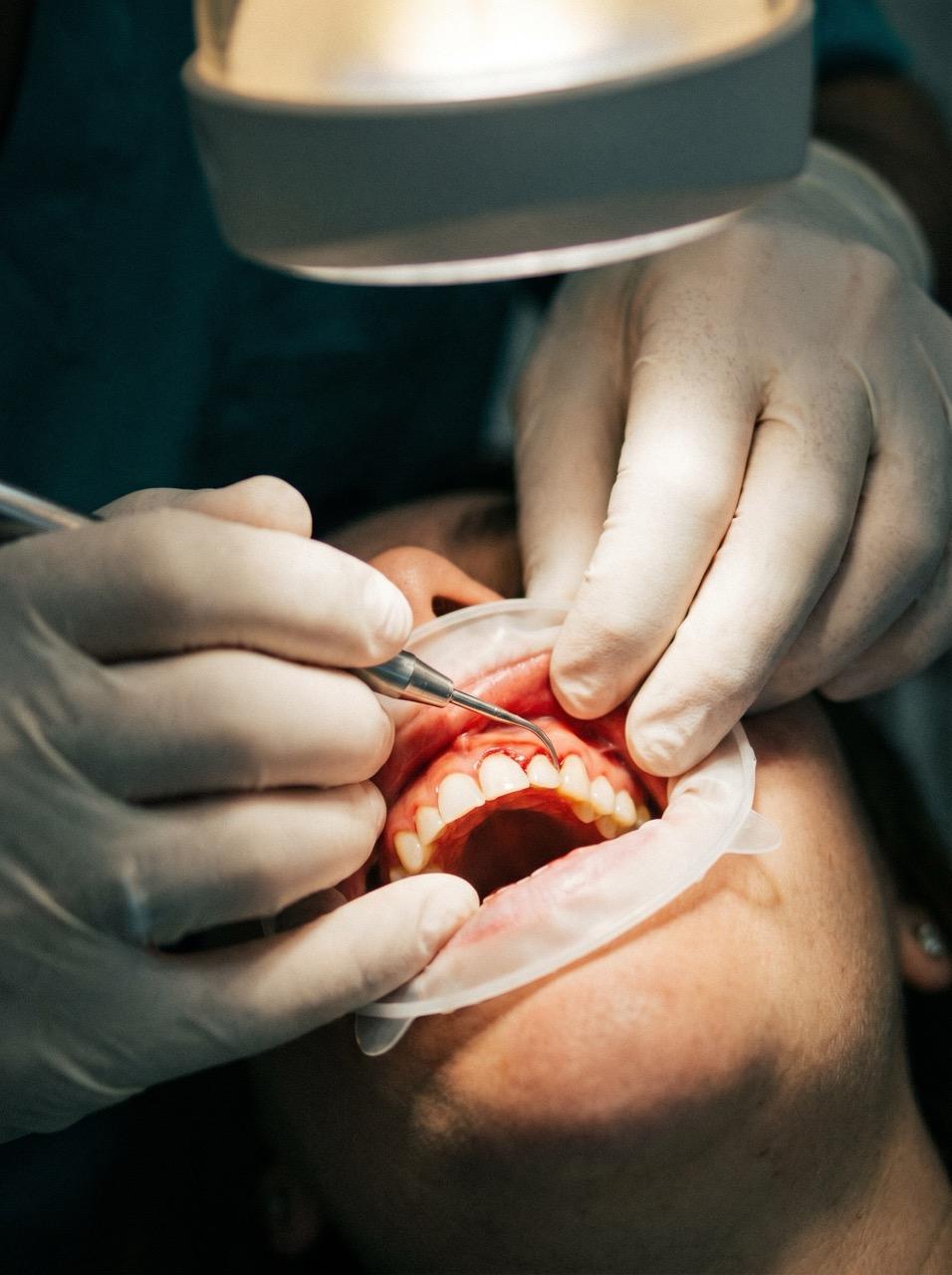
It all starts with measuring. A periodontal probe records the depth of the pockets around each tooth and the bone level is assessed; that map is what says whether a hygiene appointment is enough or gum treatment is needed.
It is the practical difference between a cleaning and deep scaling: hygiene works above the gum line, scaling and root planing works below it, where the brush and conventional ultrasonics do not reach.
What the treatment is like and how many sessions it takes
Scaling and root planing is done under local anaesthesia, quadrant by quadrant, and the number of sessions depends on how many areas are affected and how deep the pockets are. That is why it is planned after the probing, not before: giving a figure without measuring would be making it up.
Weeks later we re-evaluate to check how your gums have responded. Some sensitivity while healing is common, as is seeing the gaps between teeth become more evident: that is the inflammation going down and the tartar no longer filling them.
Maintenance is what holds the result
Periodontitis is controlled, not cured. With treatment and maintenance progression can be halted and teeth kept for many years, but it is a condition that requires lifelong check-ups.
Periodontal maintenance means those periodic visits where pockets are measured again, returning tartar is removed and your hygiene routine is adjusted. It also protects any later treatment: there is no sense in planning implants or veneers on diseased gums.